Earlier Detection
Assembly risks were identified before shipment.
Engineering Case Study
East Asian Industrial Computer Enclosure Project
A concise engineering case study on machining control, thread reliability, enclosure straightness, surface finish, and final assembly verification.
Project Type
Custom extruded aluminum enclosureFocus
Repeat-production consistencyOutcome
Clearer inspection and assembly controlsThis project involved a custom extruded aluminum enclosure for an East Asian industrial computer application. After several repeat production batches, the engineering priority shifted from basic prototype fit to stable, repeatable production. The key requirements were consistent machining dimensions, reliable threaded features, controlled surface finish, and repeatable assembly between the enclosure body, front and rear panels, and bottom cover.
For related enclosure planning, see our custom aluminum enclosure solution and industrial PC OEM / ODM support.
Missing machining features, insufficient hole depth, and unstable enclosure depth can affect panel fit and bottom-cover assembly. These risks may not be obvious during single-part inspection, but become clear during complete enclosure assembly.
Thread engagement and standoff retention were treated as critical assembly controls. Risks included stripped threads, loose press-fit standoffs, and hex-standoff thread breakage. The review therefore focused on thread depth, fastener compatibility, standoff retention, and controlled tightening.
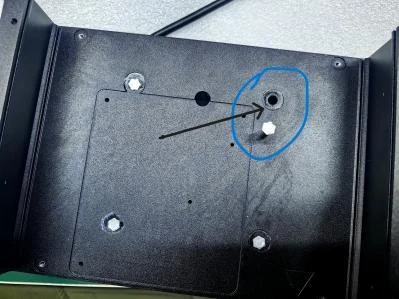
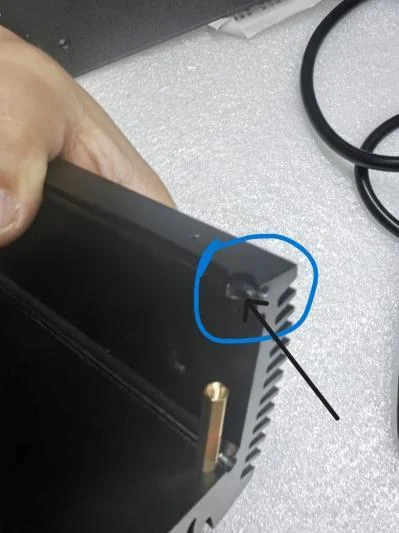
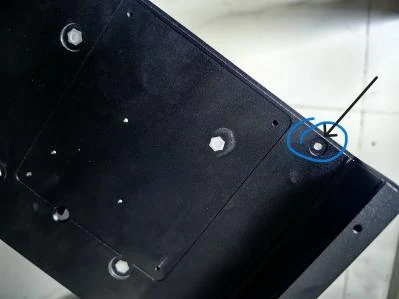
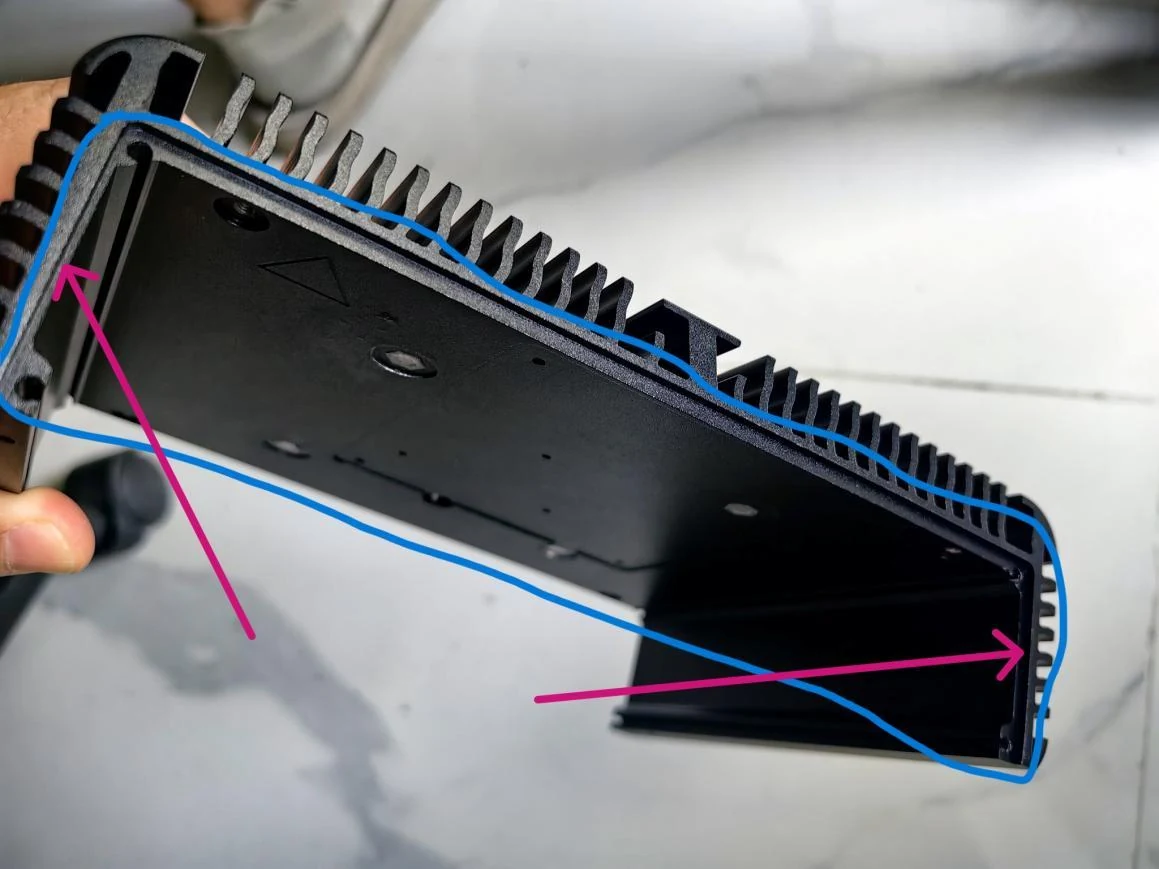
Extruded aluminum bodies may deform during extrusion, machining, or anodizing. If straightness is not checked and corrected, front or rear panels may be difficult to install, panel gaps may become uneven, and the bottom cover may not fit after the panels are tightened.
Visible anodizing differences, excessive hanging marks, and mixed accessories can create avoidable rework. Batch comparison and pre-packing material verification were therefore included in the control process.
The inspection method was adjusted from individual-part checking to complete assembly verification. Five practical controls were introduced:
Earlier Detection
Assembly risks were identified before shipment.
Less Rework
Panel-fit, thread, and material-mixing risks were reduced.
Repeatable Control
A clearer inspection standard was established for repeat orders.
For a custom industrial enclosure, drawing approval is only the beginning. Stable production also depends on:
Mechanical engineering review helps convert these risks into clear, repeatable control points before they become recurring production problems.
Mechanical review • Prototype support • Small-batch production
Discuss Your Project