Improving Production Consistency for an Industrial Computer Enclosure Project
A concise engineering case study on moving a custom aluminum enclosure from sample verification toward more reliable repeat production.
Project Overview
This project involved a custom extruded aluminum enclosure for an industrial computer application in East Asia. The enclosure combined an extruded body with machined front and rear panels, a bottom cover, threaded mounting features, standoffs and assembly hardware. Early samples demonstrated the intended form and basic component fit. As repeat production became the priority, the engineering focus shifted to whether the same parts could be machined, finished and assembled with consistent results from batch to batch.
The review did not treat individual observations as isolated supplier faults. Instead, it examined where normal variation in extrusion, machining, threads, hardware and finishing could accumulate during assembly. The objective was to identify the production risks early, define practical inspection points and make the repeat-order standard clearer for all involved parties. This also created a common reference for engineering, production and final inspection when a new batch was prepared.
Key Production Risks
2.1 Thread and Standoff Reliability
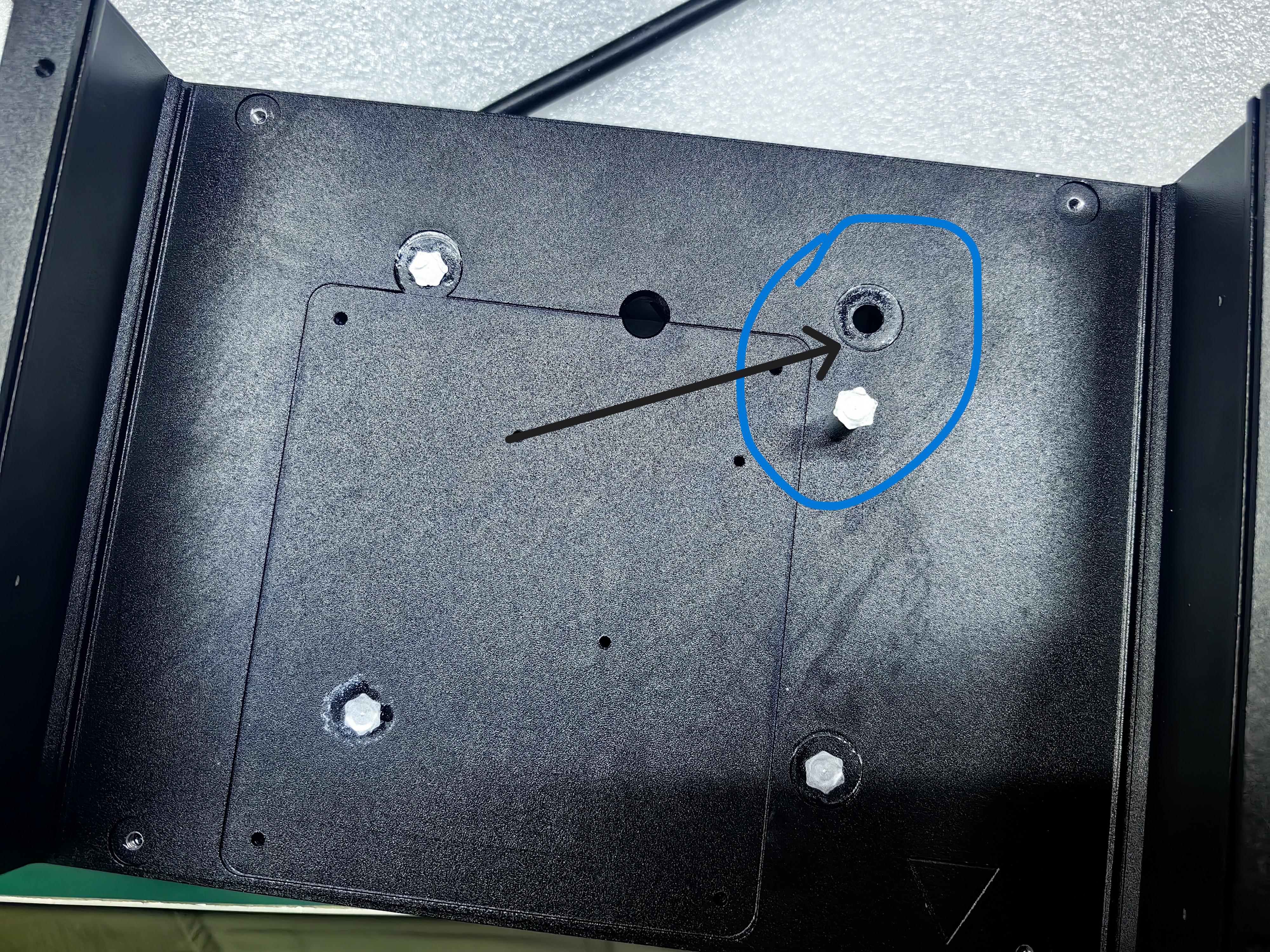
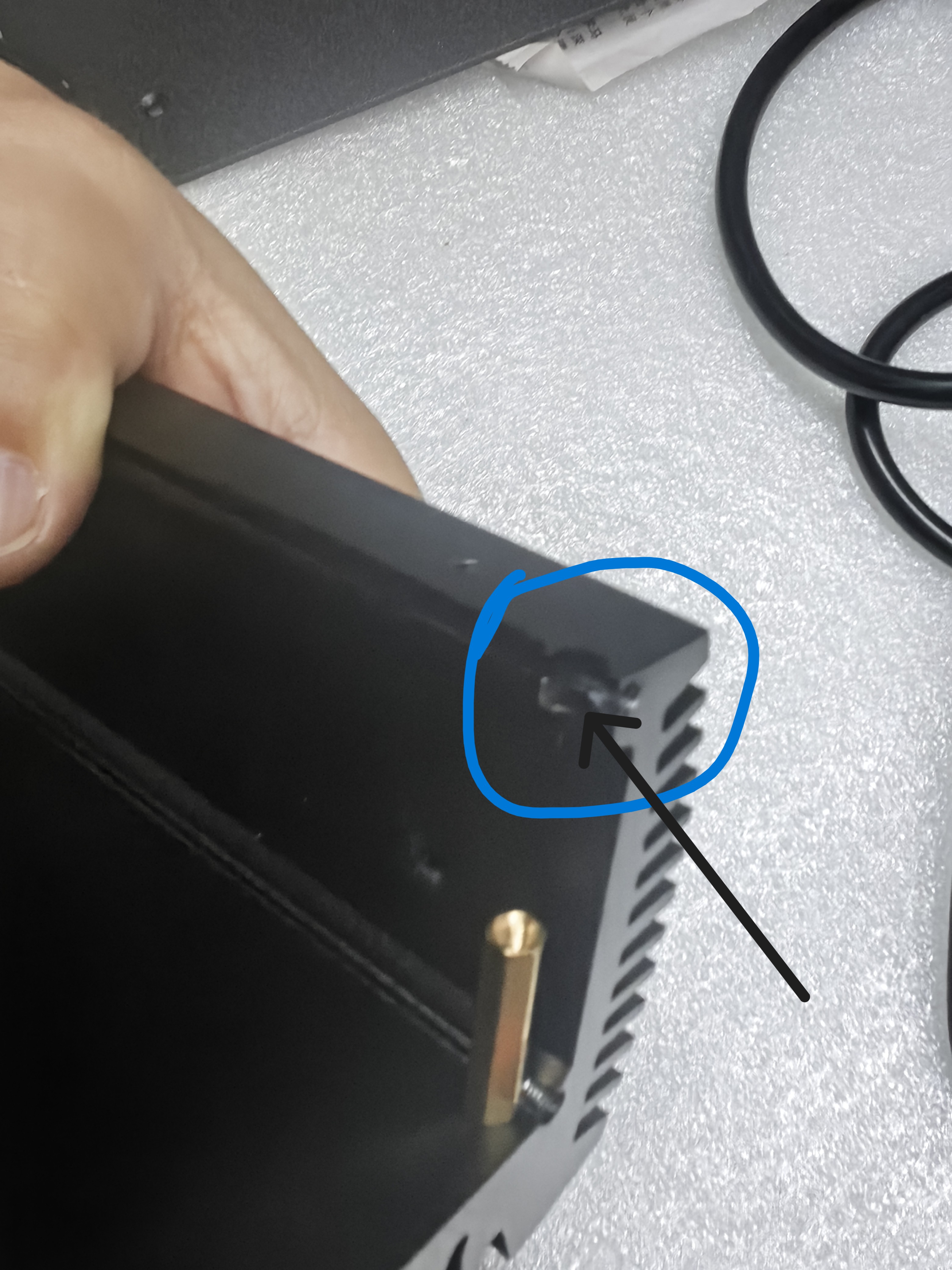
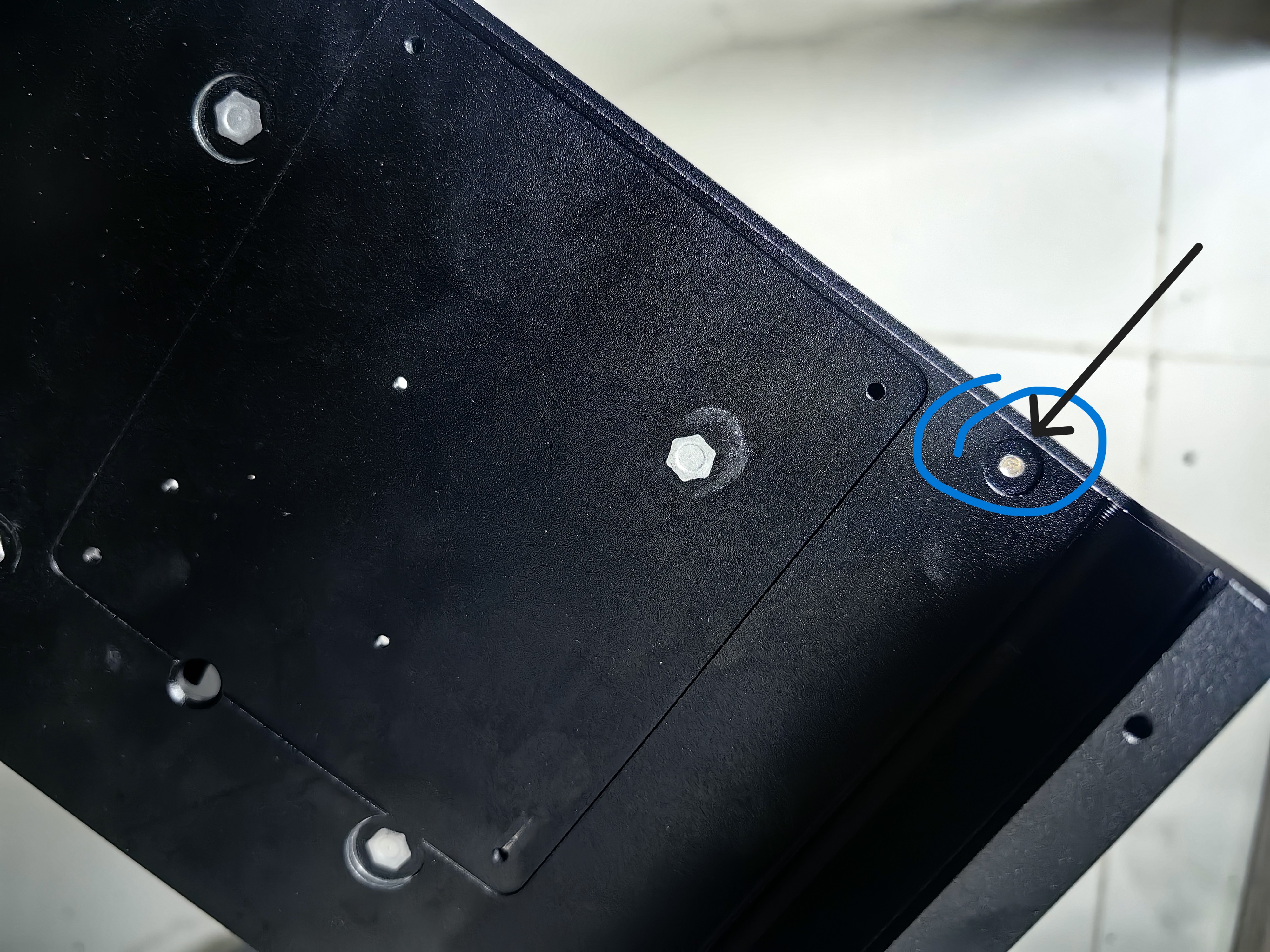
Threaded features and standoffs are small details with a direct effect on enclosure assembly. A panel can appear acceptable during a visual check but still fail when a screw is tightened, when engagement depth is insufficient or when a press-fit component does not hold its position. The review focused on retention, thread condition, fastener engagement and the assembly method rather than appearance alone.
2.2 Extrusion Straightness and Assembly Fit
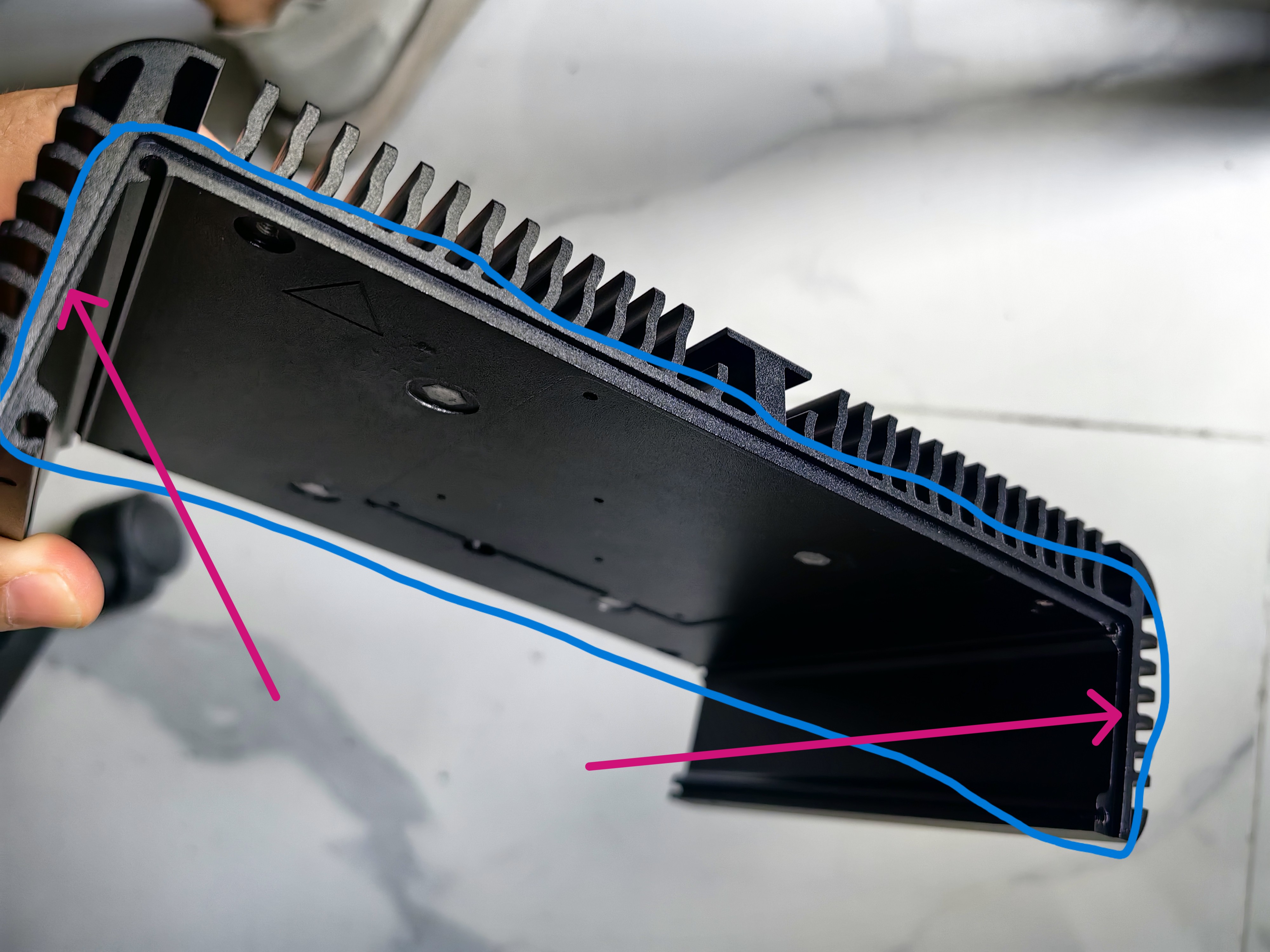
The enclosure body is an extrusion, so straightness and dimensional stability affect the relationship between the body, panels and bottom cover. Deformation can arise during extrusion, machining or finishing. Even where individual dimensions remain close to target, a local fit issue can prevent a panel from entering its recessed location or create uneven gaps after fasteners are tightened. This made complete assembly a necessary production check.
Engineering Review and Improvements
The inspection approach was adjusted from part-by-part acceptance to a short set of controls that reflect how the enclosure is actually built. The following checks were established for first articles and repeat production:
- First-article full assembly verification: assemble the enclosure with its panels, bottom cover and specified hardware before batch packing.
- Critical dimension and extrusion-straightness checks: confirm the dimensions that control panel position, enclosure depth and fit across the assembly.
- Thread, standoff and fastener verification: check thread depth and condition, standoff retention, screw engagement and the appropriate tightening method.
- Surface-finish and material comparison: compare finish appearance and confirm that enclosure components and accessories match the approved material set.
- Final accessory and packing verification: confirm panels, screws, covers and required accessories are complete before packing and shipment.
These controls are intentionally practical. They connect drawing requirements to the physical build, where tolerance stack-up, hardware interaction and finishing variation become visible. They also give the production team a consistent sequence for checking repeat orders rather than relying only on a previous sample. Where a feature is critical to installation, the check is made with the specified mating part and fastener, not only with a gauge or visual observation.
Result
The review identified assembly risks earlier in the production process and improved consistency in the way the enclosure was evaluated. Rework exposure related to panel fit, threaded features and material mixing was reduced. Most importantly, the project gained clearer inspection standards that can be applied to repeat orders, including full assembly confirmation instead of isolated part checks. The result is a more dependable handoff from approved sample to production release.
Why Mechanical Review Matters
Drawing approval is the start of a custom enclosure program, not the final proof of production stability. Reliable repeat production depends on the combined effect of critical dimensions, thread quality, extrusion straightness, surface condition and complete assembly verification. A mechanical review helps turn those requirements into visible, repeatable controls before they become recurring production issues.
Related Solutions
For related project capabilities, explore our Custom Aluminum Enclosure Solutions and Industrial PC OEM / ODM Services.
Discuss Your Enclosure Project
Share your enclosure drawings, sample information or current production concerns. Domify can review mechanical fit, threaded features, extrusion suitability and assembly checks for prototype or repeat-production planning.